
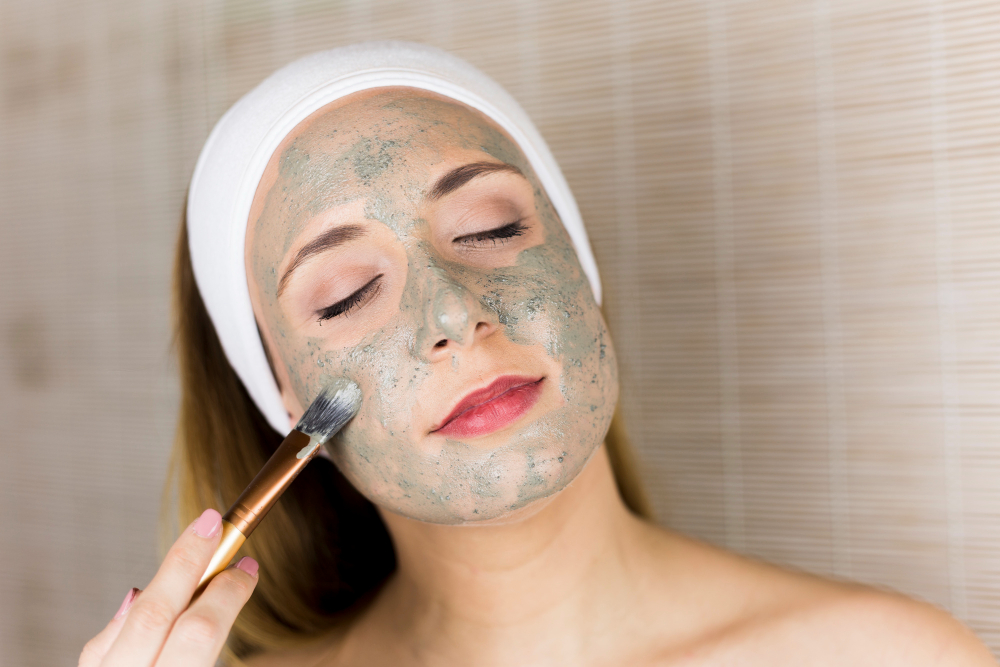
What is Chemical Peeling?
Chemical peeling is a skin treatment that uses special solutions to remove the top layers of skin. As a result, new, smoother skin grows back. Many people choose this skin rejuvenation procedure to improve their appearance. Chemical peels are done in clinics or by trained dermatologists. While the process may sound complex, it is safe when done by experts. In most cases, people see brighter and healthier skin after healing.
Main Reasons for Chemical Peeling
Many wonder, “Why is chemical peeling done?” There are several reasons for choosing this treatment. For example, people often want to:
Additionally, chemical peels can boost confidence by making skin look healthier. According to the American Academy of Dermatology, these treatments are popular for their visible results.
Skin Conditions Treated by Chemical Peeling
Chemical peeling is used for many common skin problems. For instance, it can help with:
Because chemical peels target the outer skin layers, they are effective for surface-level issues. However, deeper scars or wrinkles may need other treatments.
Benefits and Expected Results
Chemical peels offer many benefits. For example, they can:
After a peel, most people notice softer and fresher skin. However, results depend on the type of peel and your skin type. According to the American Academy of Dermatology, regular peels can help maintain healthy skin.
Who Should Consider Chemical Peeling?
Not everyone is a good candidate for chemical peels. Still, you may consider it if you:
However, people with very sensitive skin or certain medical conditions should talk to a dermatologist first. Sometimes, other treatments may be better for your needs.
Safety, Risks, and Considerations
Chemical peels are safe when performed by trained professionals. Yet, like any procedure, there are some risks. For example, you may experience:
Because of these risks, always choose a certified dermatologist. The Centers for Disease Control and Prevention (CDC) and World Health Organization (WHO) recommend following aftercare instructions closely.
Prevention and Aftercare Tips
Proper care after a chemical peel is important. To protect your skin and get the best results, follow these tips:
Because your skin will be sensitive, gentle care is key. If you notice any unusual changes, contact your dermatologist right away.
Conclusion
Chemical peeling is a popular way to treat many skin concerns. It can help with acne, dark spots, and signs of aging. While the benefits of chemical peels are clear, safety and proper aftercare are important. Book appointment today at healthy skin & hair clinic to find out if chemical peeling is right for you.