
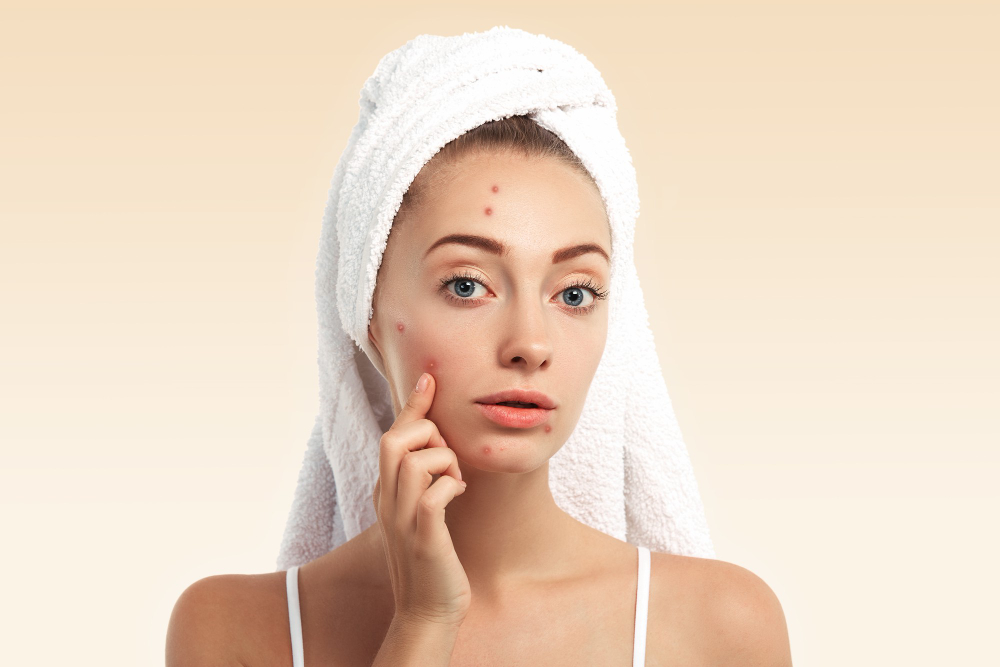
What is Acne Vulgaris (Pimples)?
Acne Vulgaris, often called pimples, is a common skin condition. It happens when hair follicles get clogged with oil and dead skin cells. As a result, pimples, blackheads, or whiteheads may appear on the face, chest, or back. Many teenagers and adults experience acne vulgaris. However, it can affect people of all ages. This condition is not dangerous, but it can cause discomfort and affect self-confidence. Understanding acne vulgaris helps you manage and prevent breakouts.
Common Symptoms
Acne vulgaris shows up in different ways. For example, you may see:
Sometimes, acne can cause redness, swelling, or even scars. In many cases, symptoms appear on the face. But, they can also show up on the back, chest, or shoulders.
Main Causes
Several factors can lead to acne vulgaris. For instance, the main causes include:
In addition, hot and humid climates can trigger more breakouts. People living in such areas may notice more pimples, especially during summer.
How Acne Vulgaris is Diagnosed
Doctors usually diagnose acne vulgaris by looking at your skin. They check the type and number of pimples. Sometimes, they ask about your medical history or family history. Rarely, a doctor may suggest tests to rule out other skin problems. Most of the time, no special tests are needed. Early diagnosis helps prevent scarring and long-term skin issues.
Treatment Options
There are many ways to treat acne vulgaris. Treatment depends on how severe your acne is. Some common options include:
For mild acne, over-the-counter products may help. However, for moderate or severe cases, you should see a dermatologist. They can suggest the best treatment for your skin type.
Prevention Tips
While you cannot always prevent acne vulgaris, some habits can help reduce breakouts. For example:
Additionally, try to manage stress, as it can make acne worse. If you live in a hot or humid area, wash your face more often to remove sweat and oil.
Lifestyle and Skin Care Guidance
Healthy habits can support clear skin. For instance, always remove makeup before sleeping. Choose gentle, fragrance-free cleansers. Moreover, avoid touching your face with dirty hands. Change pillowcases and towels often. If you use hair products, keep them away from your skin. Remember, sun exposure can sometimes worsen acne or cause dark spots. So, use sunscreen that is safe for acne-prone skin. If you notice new or worsening pimples, talk to a healthcare provider for advice.
In summary, acne vulgaris (pimples) is common but manageable. With the right care and treatment, most people see improvement. Consult a dermatologist at Healthy Skin & Hair Clinic for personalized advice on managing acne vulgaris.