
What Are Hives?
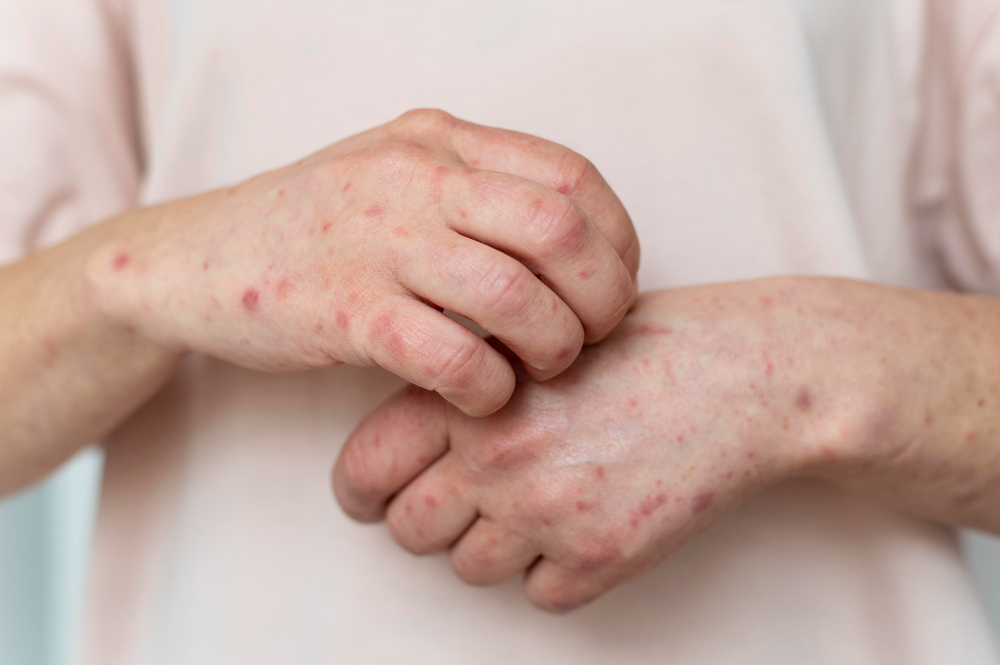
Hives are red, itchy bumps that appear on the skin. Many people call them welts or urticaria. Often, hives show up suddenly and can last for hours or days. Because hives are common, it helps to know what causes them and how to treat them. According to the Centers for Disease Control and Prevention (CDC), hives affect people of all ages. While most cases are mild, some can be severe. If you have hives, you may wonder what to do next.
Symptoms of Hives
Hives have some clear signs. For example, you may notice:
Sometimes, hives come with swelling of the lips, eyes, or throat. This is called angioedema. If you have trouble breathing or swallowing, seek help right away.
Causes of Hives
There are many causes of hives. However, sometimes the cause is not clear. Common triggers include:
Sometimes, hives appear without any known reason. This is called idiopathic hives. Still, most cases are not dangerous and go away on their own.
Diagnosis of Hives
Doctors usually diagnose hives by looking at your skin. They may ask about your symptoms and recent activities. In some cases, your doctor may:
Because hives can look like other skin problems, it is important to get the right diagnosis. If your hives last more than six weeks, your doctor may call them chronic hives.
Treatment Options for Hives
Most hives go away without treatment. However, you can take steps to feel better. Common treatments for hives include:
For severe cases, doctors may prescribe stronger medicines. For example, corticosteroids or other drugs may help. If you have trouble breathing or swelling in your throat, seek emergency care right away. In some cities, you can find specialized hives treatment. For example, “hives treatment in New York” or your local area.
Prevention and Lifestyle Tips
While you cannot always prevent hives, you can lower your risk. Try these tips:
Additionally, keeping a diary of your symptoms may help you find triggers. This can make it easier to avoid future outbreaks.
When to See a Doctor
Most hives are mild and go away quickly. However, you should see a doctor if:
Sometimes, hives can be a sign of a serious allergic reaction. If you notice swelling of your face, lips, or tongue, get help right away.
If you think you have hives, consult a dermatologist at Healthy Skin & Hair Clinic for personalized advice.