
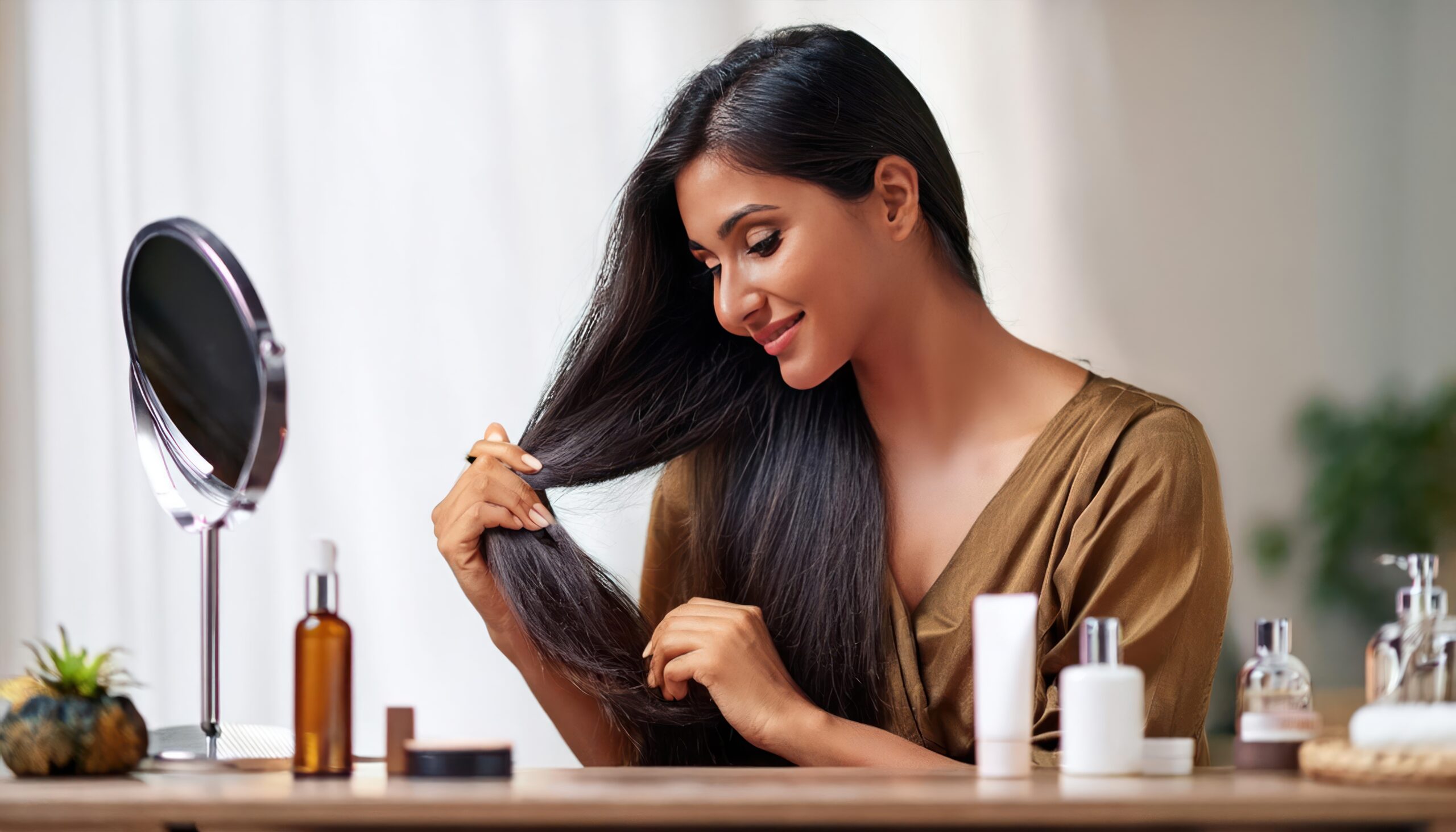
What Is Frizz?
Frizz is when hair looks puffy, dry, or messy instead of smooth. Often, frizzy hair feels rough and is hard to style. For many people, frizz happens when hair loses moisture or faces too much humidity. In fact, frizz-free hair care is important for keeping hair soft and healthy. While some people have naturally frizzy hair, others notice it after damage or weather changes.
Common Causes of Hair Frizz
Many things can cause hair to become frizzy. However, knowing the causes helps you prevent frizzy hair more easily. Here are some common reasons:
Because these factors are common, it is important to watch your hair care habits.
Dermatologist-Recommended Frizz-Free Hair Care Tips
Dermatologists share many ways to keep hair smooth and healthy. For best results, try these frizz-free hair care tips:
Additionally, regular trims help remove split ends and keep hair looking neat.
Best Products and Ingredients for Frizz Control
Choosing the right products makes a big difference. For example, the best anti-frizz hair products often contain these helpful ingredients:
Look for shampoos, conditioners, and serums labeled “anti-frizz” or “moisturizing.” However, avoid products with alcohol, as they can dry out hair.
Daily Habits and Lifestyle Changes for Smooth Hair
Healthy daily habits support smooth, frizz-free hair. For instance, you can:
Because small changes add up, these habits help keep hair healthy over time.
Prevention: How to Keep Hair Frizz-Free
Preventing frizz is easier than fixing it. Therefore, follow these steps for lasting results:
With these steps, you can enjoy smooth, frizz-free hair every day.
When to See a Dermatologist
Sometimes, frizzy hair may signal a deeper problem. For example, if you notice sudden hair changes, hair loss, or scalp issues, it is wise to see a dermatologist. Additionally, if home care and products do not help, a dermatologist can check for medical causes. They may suggest special treatments or prescription products for your hair type.
In summary, frizz-free hair care is possible with the right habits and products. For the best results, consult at Healthy Skin & Hair Clinic for personalized frizz-free hair care advice.