
Introduction
Eczema is a common skin condition that affects millions of people worldwide. It causes dry, itchy, and inflamed skin. Because eczema can impact daily life, understanding it is important. Many people, both children and adults, live with eczema. However, with the right care, symptoms can be managed. In this blog, you will learn about eczema symptoms, causes, diagnosis, and effective treatments. You will also find helpful tips for prevention and home care.
What is Eczema?
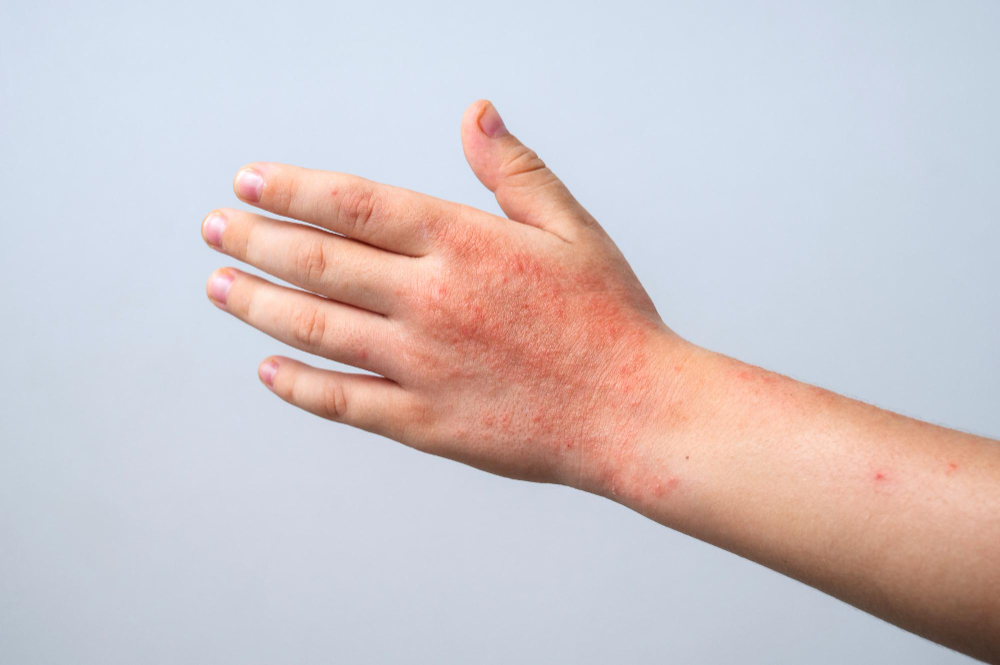
Eczema, also known as atopic dermatitis, is a long-lasting skin problem. It makes the skin red, itchy, and sometimes swollen. Although it can start at any age, it often begins in childhood. Eczema is not contagious, so you cannot catch it from someone else. While the exact cause is unknown, experts believe it is linked to both genes and the environment. According to the World Health Organization (WHO), eczema is one of the most common skin diseases worldwide.
Common Symptoms of Eczema
Eczema symptoms can vary from person to person. Still, some signs are very common. Early recognition helps with better eczema treatment for adults and children. Here are the main symptoms:
Sometimes, eczema can flare up and become more severe. For example, stress or certain soaps can make symptoms worse.
Causes and Risk Factors
Although the exact cause of eczema is not fully known, several factors play a role. Both genes and the environment can increase your risk. Here are some common causes and risk factors:
Because these factors can vary, not everyone with risk factors will develop eczema. Still, knowing them can help with eczema prevention tips.
How Eczema is Diagnosed
Doctors usually diagnose eczema by looking at your skin and asking about your symptoms. Sometimes, they may ask about your family history. In some cases, a doctor may do allergy tests to rule out other problems. However, there is no single test for eczema. If you notice ongoing skin changes, it is important to see a dermatologist. Early diagnosis can lead to better eczema treatment for adults and children.
Treatment Options for Eczema
There are many ways to treat eczema. While there is no cure, treatments can help control symptoms. Here are some common options:
Because each person is different, your doctor will suggest the best eczema treatment for you. According to the Centers for Disease Control and Prevention (CDC), regular skin care is key for managing eczema.
Lifestyle Tips and Home Care
Good daily habits can make a big difference in managing eczema. Here are some helpful tips:
Additionally, keeping your home cool and humid can help prevent dry skin. These simple steps support eczema prevention tips and improve comfort.
Preventing Eczema Flare-Ups
Although you cannot always prevent eczema, you can lower the chance of flare-ups. Try these prevention tips:
Because eczema is a long-term condition, regular care is important. With the right steps, you can reduce flare-ups and enjoy healthier skin.
Conclusion
Eczema can be challenging, but it is manageable with the right care. If you or your loved one has eczema, do not hesitate to seek help. Consult a dermatologist at healthy skin & hair clinic for personalized advice and treatment options.