
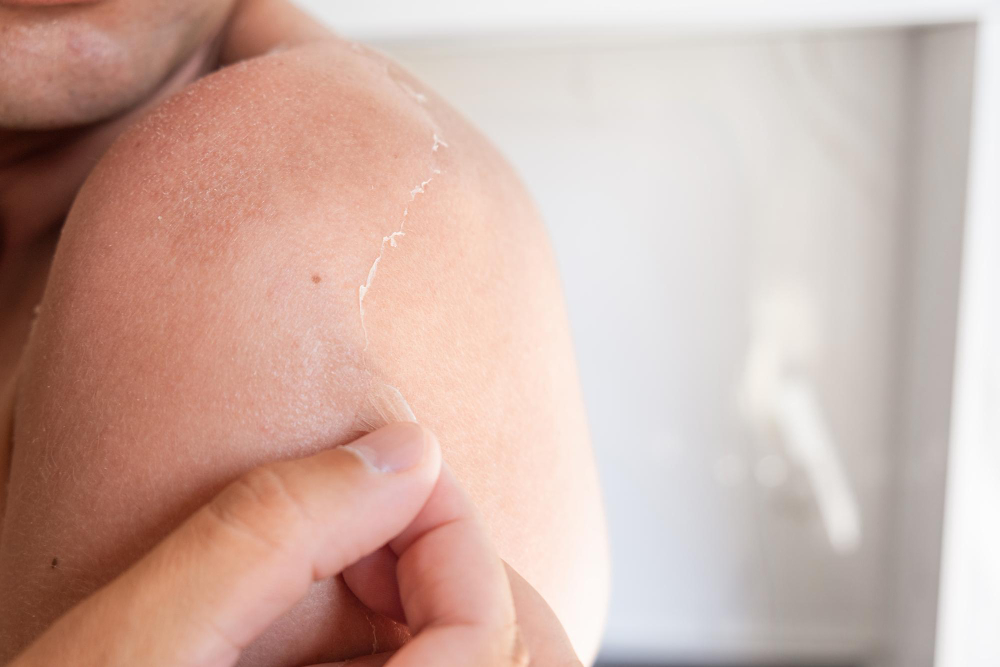
What is Peeling Skin Syndrome?
Peeling skin syndrome is a rare skin condition. It causes the outer layer of your skin to peel off easily. Often, this peeling happens without pain or itching. However, the skin may look red or feel sensitive. Because this condition is uncommon, many people do not know about it. Peeling skin syndrome can affect people of any age. Usually, it starts in childhood. In some cases, it may appear later in life. Although it is not contagious, it can affect your daily comfort. Early diagnosis helps manage symptoms better.
Common Symptoms
Peeling skin syndrome shows up in different ways. Still, there are some signs you can watch for. For example, you may notice:
In many cases, symptoms are mild. But sometimes, the peeling can be severe. If you see these signs, it is important to talk to a doctor. Early care can help prevent infection or discomfort.
Causes and Risk Factors
Peeling skin syndrome is often genetic. This means it can run in families. Usually, a change in certain genes affects how your skin holds together. As a result, the skin peels off more easily. In addition, some people may have a higher risk if both parents carry the gene. Although rare, some cases may not have a clear family link. Other risk factors include:
Still, most cases are due to inherited genes. According to the National Institutes of Health, the syndrome is not caused by infections or allergies.
How Peeling Skin Syndrome is Diagnosed
Doctors use several steps to diagnose peeling skin syndrome. First, they ask about your symptoms and family history. Next, they examine your skin closely. Sometimes, they may take a small skin sample (biopsy) for testing. In addition, genetic tests can help confirm the diagnosis. These tests look for changes in the genes linked to the syndrome. Because other skin problems can look similar, a careful exam is important. Early diagnosis helps you get the right treatment.
Treatment Options
There is no cure for peeling skin syndrome. However, treatment can help manage symptoms. Doctors often suggest:
In some cases, oral medicines may be needed. For example, if the skin is very inflamed, doctors may prescribe stronger treatments. However, most people can manage symptoms with daily care. Regular check-ups help track your progress.
Lifestyle Tips and Prevention
Although you cannot prevent genetic peeling skin syndrome, you can protect your skin. For instance, try these tips:
Additionally, avoid scratching or picking at peeling skin. This can lower the risk of infection. If you notice new symptoms, let your doctor know right away.
When to See a Dermatologist
It is important to see a dermatologist if you have ongoing skin peeling. Especially if the peeling is severe, painful, or comes with fever, seek help. Also, if you have a family history of skin disorders, early evaluation is wise. A dermatologist can confirm the diagnosis and suggest the best care plan. Remember, regular visits help keep your skin healthy.
If you or a loved one has signs of peeling skin syndrome, consult a dermatologist at Healthy Skin & Hair Clinic for personalized advice and treatment options.